Wool vs. Synthetic Materials for Winter Apparel: Which Is Better?
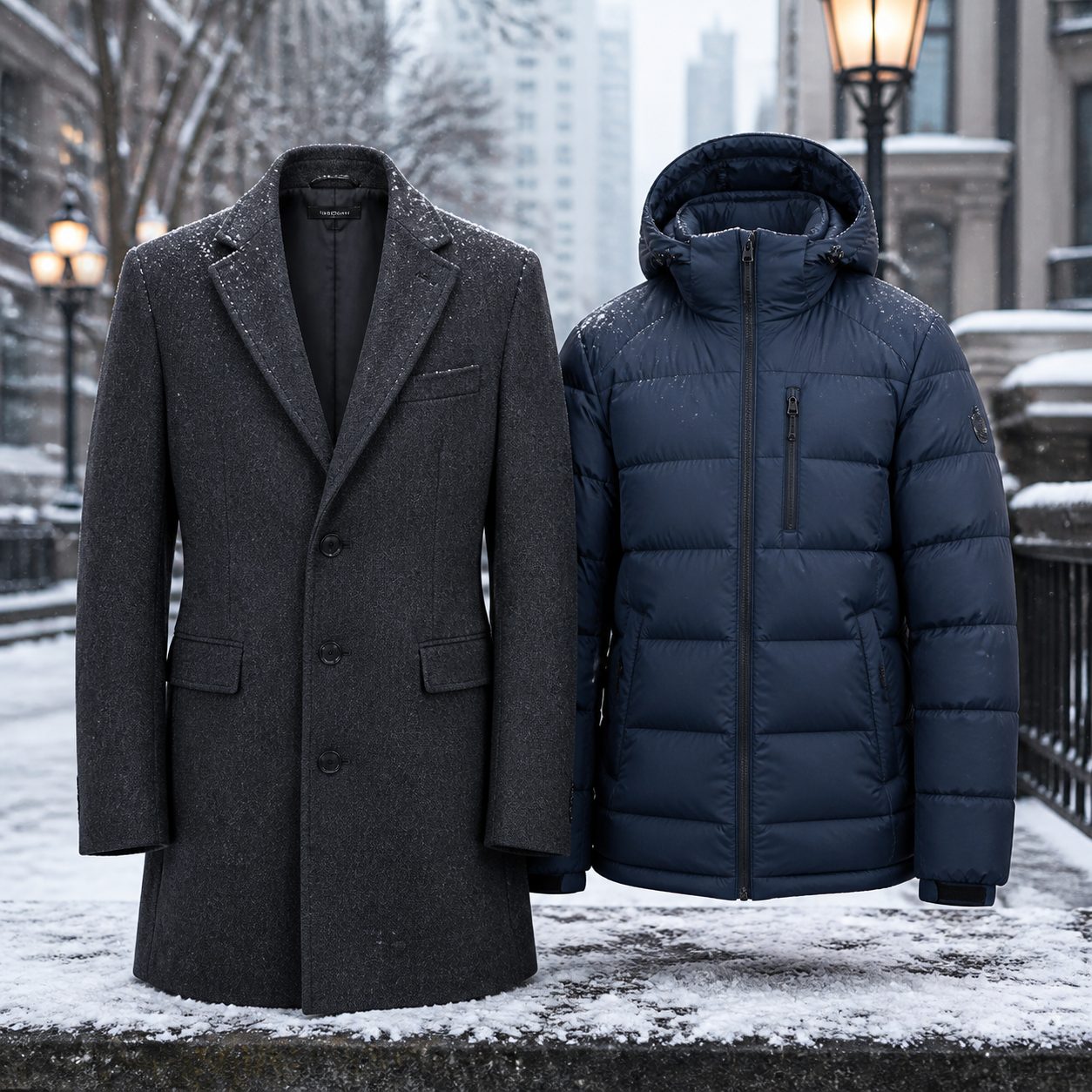
Wool and synthetic materials can both provide reliable winter protection, but they perform differently in cold, wet, windy, and active conditions. The right choice depends on the jacket’s insulation, outer fabric, lining, fit, construction, and how you plan to wear it.
For shoppers comparing winter jackets, the practical question is simple: do you need natural temperature regulation and a classic feel, or lightweight warmth that dries quickly and handles demanding weather? This guide compares wool, synthetic insulation, polyester, fleece, and down alternative materials so you can choose with confidence.
Understanding Wool and Synthetic Materials
Wool is a natural animal fiber that provides thermal insulation and temperature regulation, while synthetic materials are manufactured fibers designed for consistent warmth, low weight, moisture resistance, or easy care. Both categories appear in winter coats, insulated jackets, fleece layers, hats, scarves, and base or mid layers.
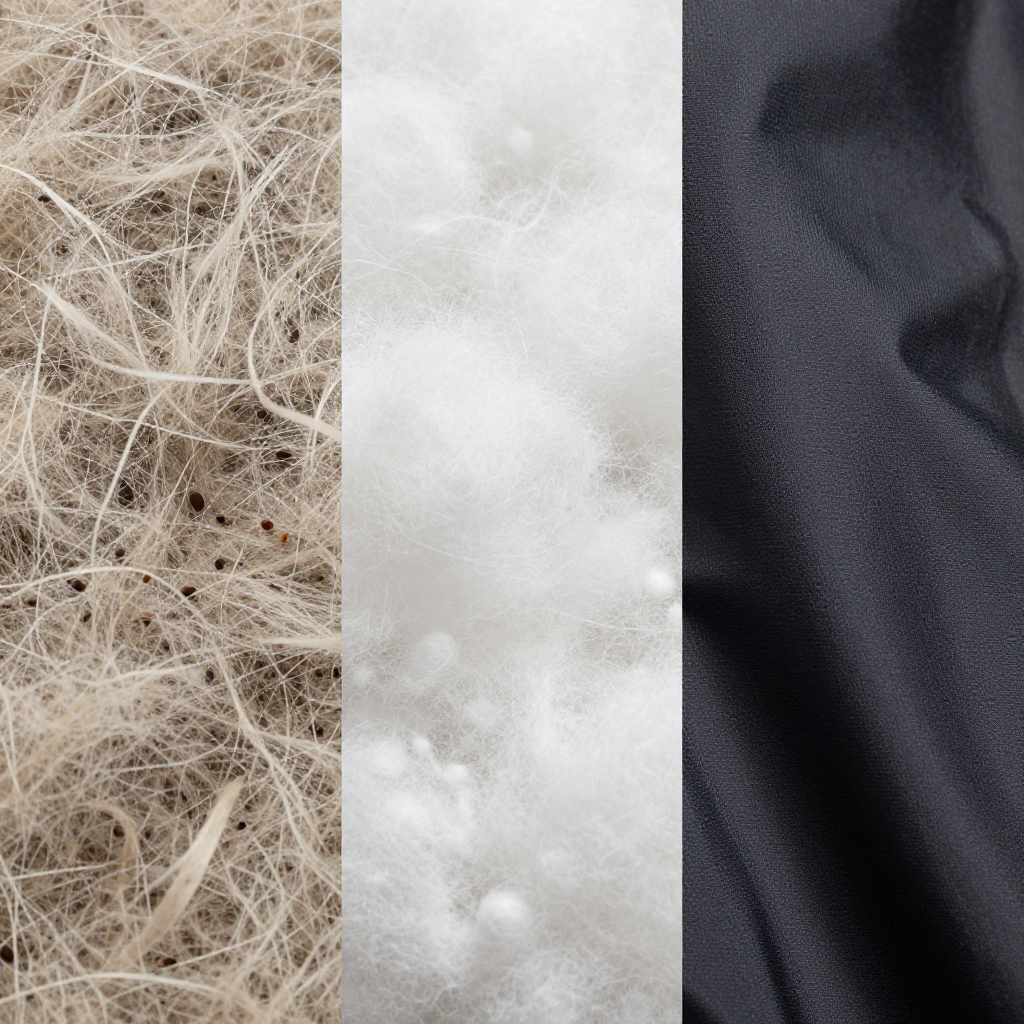
Wool fibers trap air between their natural crimps, creating insulation without feeling excessively rigid. Wool can also absorb some moisture vapor while remaining relatively comfortable, which helps during changing temperatures. Common jacket options include wool-blend overcoats, boiled wool jackets, felted wool coats, and wool-lined garments.
Synthetic insulation usually uses polyester fibers arranged to hold warm air. It may be stitched into a puffer jacket, bonded into a streamlined coat, or used as a down alternative. Polyester is also common in shell fabrics and linings because it is strong, adaptable, and usually easier to wash than wool.
| Material | Typical winter-jacket role | Main advantage | Common limitation |
|---|---|---|---|
| Wool | Coat fabric or blend | Natural warmth and polished appearance | Can be heavier and more demanding to clean |
| Polyester | Shell, lining, or insulation | Versatility and moisture resistance | May feel less breathable or less natural |
| Fleece | Mid layer or jacket lining | Soft, lightweight warmth | Needs wind protection from an outer shell |
| Down alternative | Insulation in puffers and parkas | Warmth with easier wet-weather handling than down | Can be bulkier for the same warmth |
Warmth and Insulation
Wool often feels warm and temperature-regulating in dry cold, while synthetic insulation offers dependable warmth across a wider range of damp conditions. Neither material guarantees a warmer jacket by itself because insulation thickness, fiber design, quilting, lining, and wind protection matter just as much.
A dense wool coat can block drafts effectively and retain heat during commuting or walking around town. Its structure also gives it a tailored appearance, which suits office wear and travel. However, a thin wool fashion jacket may be less insulating than a well-constructed synthetic parka with a windproof shell and substantial fill.
Synthetic insulation works by trapping air in a web of polyester fibers. High-loft designs generally provide more warmth than flat, lightweight padding, although greater loft usually means more bulk. A synthetic puffer or down alternative jacket can be an excellent choice when you need packability, predictable performance, and protection during variable winter weather.
- Dry, still cold: Wool and synthetic insulation can both perform well; choose based on fit, thickness, and style.
- Windy conditions: Prioritize a tightly woven or wind-resistant outer shell over the insulation label alone.
- Very cold conditions: Look for a longer cut, insulated hood, secure cuffs, and room for a thermal mid layer.
- Active use: Choose moderate insulation that will not cause overheating when you move.
Think of warmth as a jacket system rather than a single material. A wool coat with a wind-blocking exterior may outperform a loosely woven synthetic jacket, while a synthetic parka with a storm flap and insulated hood may be better in severe weather.
Moisture, Breathability, and Weather Protection
Synthetic materials usually have the advantage in rain, wet snow, and repeated washing, while wool can offer excellent comfort and breathability when moisture is limited. Weather protection depends heavily on the jacket’s outer fabric, membrane, seams, and hood design rather than the insulation alone.
Wool can absorb moisture vapor from perspiration and still feel warmer than many ordinary fabrics. That quality is useful for low- to moderate-intensity winter wear. However, wool can become heavy when saturated, and a wool coat is not automatically waterproof. Many wool jackets need a separate water-resistant shell or a treated outer surface for prolonged exposure to rain.
Polyester shells and synthetic insulation generally dry faster. Some jackets include a durable water-repellent finish, waterproof membrane, taped seams, or a storm flap. These features matter more than the word synthetic on a product page. Fleece illustrates the same principle: it is warm and breathable, but wind can pass through it unless another layer blocks the airflow.
For active outdoor use, look for moisture-management features such as underarm ventilation, a breathable lining, adjustable cuffs, and two-way zippers. A jacket that is technically water-resistant but traps sweat may feel uncomfortable during uphill walking or extended travel.
When comparing products, check whether the label says water-resistant or waterproof. These terms are not interchangeable. Water-resistant fabric may handle light precipitation, while waterproof performance requires a more complete system of fabric, seam construction, and closures.
Comfort, Weight, and Everyday Wear
Wool offers a structured, soft-to-warm feel, while synthetic jackets are often lighter, more flexible, and easier to layer. Comfort depends on skin contact, garment weight, movement, and whether the jacket matches your daily routine.
Wool coats appeal to people who want a refined silhouette, natural drape, and a fabric that looks appropriate with workwear or formal clothing. Fine wool or a wool blend can feel smooth, but coarse fibers may irritate sensitive skin. A lining can solve that problem while also helping the coat slide over sweaters.
Synthetic insulation and fleece tend to provide a softer, sportier feel. Polyester jackets often include stretch panels, articulated sleeves, elastic cuffs, and adjustable hems. These details can make a major difference when driving, cycling, carrying bags, or layering over a thick sweater.
- Daily commuting: Choose the material that suits your wardrobe, travel time, and exposure to precipitation.
- Travel: A lightweight synthetic jacket is usually easier to compress and carry.
- Urban styling: Wool and wool-blend coats often provide a cleaner, more tailored profile.
- Outdoor activity: Fleece or synthetic insulation may offer better freedom of movement.
Weight should not be judged by insulation alone. A long wool coat, heavy buttons, and thick lining can add substantial weight, while a synthetic jacket with a hood, weatherproof shell, and larger pockets may also feel substantial. Try the jacket with the layers you normally wear.
Durability and Care Requirements
Wool can remain attractive for years with careful storage and cleaning, while synthetic jackets generally offer simpler washing and faster drying. Durability depends on fiber quality, fabric density, seam construction, abrasion, and maintenance.
Wool benefits from less frequent washing. Air the coat after wear, brush away surface debris, and follow the care label. Many structured wool jackets require professional dry cleaning, and storing them in a breathable garment bag helps protect against dust and pests. Avoid compressing wool for long periods because it can lose shape.
Polyester shells, fleece, and synthetic insulation are often machine washable, but the instructions vary. Use the recommended water temperature and detergent, close zippers, and avoid fabric softener when the manufacturer advises against it. A synthetic puffer must dry thoroughly so its insulation can regain loft and avoid retaining moisture.
Common care mistakes to avoid
- Washing wool like ordinary cotton: Heat and agitation can cause shrinkage or felting. Use the stated cycle or professional cleaning service.
- Storing a damp synthetic jacket: Moisture can create odor and reduce comfort. Dry it completely before storage.
- Ignoring surface damage: Small tears in a shell can allow water and insulation to escape. Repair them early with a suitable patch or tailor.
- Assuming durability equals waterproofing: A strong polyester fabric can still leak through seams or worn finishes. Reapply care products only when the manufacturer permits it.
Choosing easy maintenance may save time, but it does not eliminate care. Regular cleaning, proper drying, and prompt repairs help both wool and synthetic winter apparel last longer.
Environmental and Practical Considerations
Wool and synthetic materials have different environmental trade-offs, so responsible purchasing should consider product longevity, repairability, sourcing, and care rather than fiber type alone. A durable jacket worn for many seasons may be a more practical choice than a short-lived garment made from any single material.
Wool is renewable when sourced from responsibly managed farms, but its production can involve land, water, animal welfare, and methane-related concerns. Look for transparent sourcing information and recognized standards when these factors matter to you. Wool blends may improve durability or reduce cost, but they can make recycling more difficult.
Synthetic materials are commonly made from polyester and may incorporate recycled fibers. They are efficient for lightweight insulation and often last through frequent washing, yet they are petroleum-derived and can release small plastic fibers during laundering. A wash bag or filter designed for synthetic textiles may help reduce fiber release, although product instructions and local guidance should be followed.
Consider a simple purchase test:
- Use: Will the jacket handle your actual climate and activity?
- Life: Can you wear it regularly for several winters?
- Repair: Are zippers, buttons, seams, and insulation serviceable?
- Care: Can you realistically maintain it according to the label?
Certifications and recycled content can provide useful information, but they do not replace checking construction. A responsibly sourced wool coat with weak seams may have a shorter useful life than a well-made recycled-polyester jacket.
Which Material Should You Choose for a Winter Jacket?
Choose wool for polished everyday wear and dry cold, synthetic insulation for wet or active conditions, and a hybrid jacket when you need both comfort and weather versatility. The best winter jacket matches your climate, movement level, wardrobe, and tolerance for maintenance.
Choose wool when
- You spend most of winter in a city or dry, cold climate.
- You want a tailored coat for commuting, work, or travel.
- You value natural fibers and are comfortable following careful care instructions.
- You prefer a dense fabric that looks less technical than a puffer.
Choose synthetic insulation when
- You expect rain, wet snow, or frequent temperature changes.
- You need a lighter jacket for walking, travel, hiking, or other active use.
- You prefer machine-washable apparel that dries relatively quickly.
- You want a down alternative that maintains useful warmth in damp conditions.
Choose a hybrid design when
- You want a wool-blend exterior with polyester or down alternative insulation.
- You need a fleece or synthetic mid layer beneath a weather-resistant shell.
- You move between heated buildings and cold streets throughout the day.
Before buying, check the product specifications for insulation type, fill weight when provided, shell water resistance, hood adjustment, lining, pocket placement, and care instructions. Also assess the fit with a sweater or thermal layer. A beautifully insulated jacket that restricts movement or leaves gaps at the cuffs will underperform.
Frequently Asked Questions
Wool and synthetic winter apparel can each be the better choice in different circumstances, so the answers depend on weather, activity, construction, and maintenance preferences.
Is wool warmer than synthetic material?
Wool is not automatically warmer than synthetic material. A thick, tightly woven wool coat can feel very warm in dry cold, while a well-designed synthetic jacket may provide greater warmth with less weight or better performance in damp weather.
Are synthetic winter jackets better in wet weather?
Synthetic winter jackets are often more practical in wet weather because polyester insulation dries faster and retains useful performance when damp. The outer shell and seams still determine whether rain reaches the insulation.
Which material is easier to care for?
Synthetic materials are usually easier to care for because many polyester and fleece jackets can be machine washed. Wool often requires gentler handling, air drying, or professional cleaning, so always follow the garment label.
Is wool or synthetic insulation better for active outdoor use?
Synthetic insulation is usually the more flexible choice for active outdoor use, especially when conditions are damp or you expect frequent sweating. Wool can work well as a breathable layer, particularly when combined with a weather-resistant outer jacket.