Winter Fashion Trends: What’s Hot This Season
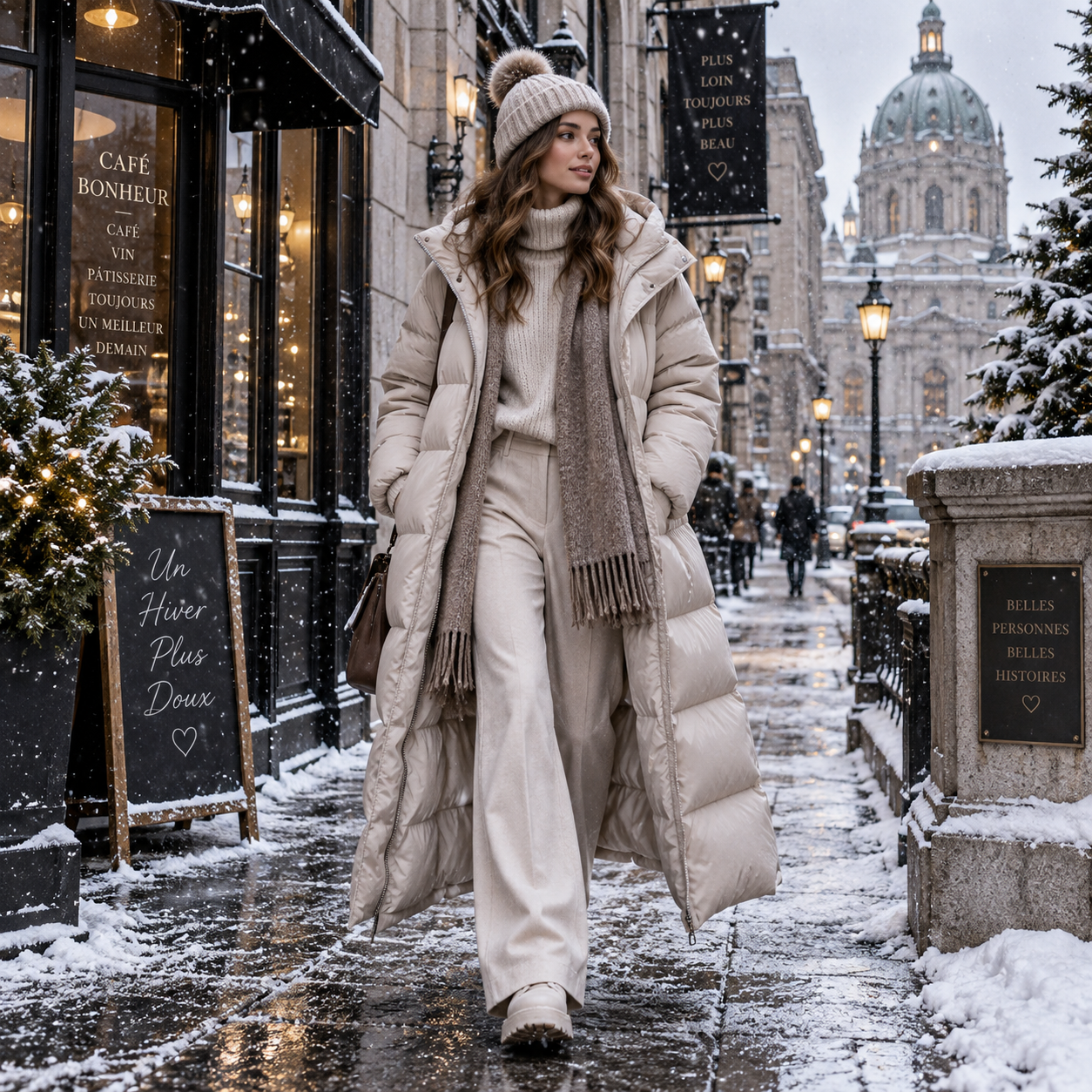
Winter outerwear has to do several jobs at once. It should keep out cold wind and moisture, work with your everyday wardrobe, and still feel current when you wear it every day for months. This season’s winter fashion trends make that balance easier, with practical silhouettes such as puffer jackets and parkas sharing the spotlight with polished wool coats, faux-fur textures, and expressive colors.
The strongest trend is practical versatility. A jacket that works for commuting, weekend errands, travel, and social plans will earn more space in your wardrobe than a dramatic piece suited to one occasion. Use the ideas below to compare warmth, fit, materials, and styling before choosing your next winter jacket.
The Biggest Winter Jacket Trends This Season
The biggest winter jacket trends this season combine protective construction with relaxed proportions, rich textures, and adaptable colors. Puffer jackets, parkas, quilted jackets, wool coats, and faux-fur jackets all have a place, depending on your climate and daily routine.
Oversized silhouettes remain popular because they make room for chunky knitwear and layered outfits. The key is proportion: a roomy jacket looks intentional when paired with a slim base layer, straight-leg trousers, or streamlined boots. If your outfit already has wide trousers or a voluminous sweater, a more defined jacket shape can create better balance.
- For maximum warmth: choose a longline puffer or insulated parka with a secure hood.
- For polished dressing: consider a belted wool coat or a structured quilted jacket.
- For flexible everyday wear: look for a mid-length jacket in a neutral winter color.
- For visual impact: try a statement color, metallic finish, bold quilting, or faux-fur trim.
Current outerwear is also more detail-focused. High collars, storm flaps, large pockets, adjustable cuffs, and textured quilting add visual interest while improving comfort in changing weather.
Puffer Jackets and Quilted Styles
Puffer jackets and quilted styles remain fashionable because they deliver visible insulation, lightweight comfort, and a wide range of fits. Cropped puffers suit casual outfits, oversized versions create a modern streetwear look, and longline designs provide more coverage in genuinely cold weather.
A puffer jacket’s warmth depends on more than its appearance. Check the type and amount of insulation, the density of the fill, the construction of the quilted panels, and whether cold air can enter through the cuffs, hem, or front closure. Larger baffles can create a bold look, while narrower quilting often appears neater and may reduce bulk.
Choosing the right puffer silhouette
- Cropped puffer: best with high-waisted jeans, cargo trousers, skirts, and casual boots. It looks sharp but offers less protection around the hips.
- Oversized puffer: ideal for layering over thick knitwear and creating a relaxed silhouette. Check the shoulder width so it does not restrict movement.
- Longline puffer: a strong option for cold commutes and exposed outdoor walks because it covers more of the torso and upper legs.
- Quilted jacket: a lighter, more streamlined alternative for mild winter days or as a mid-layer beneath a larger coat.
Choosing an oversized puffer for comfort means accepting extra volume. A cropped style is easier to wear indoors but may leave you reaching for additional layers outside. For a balanced purchase, consider where you spend most of your winter: a heated city commute calls for something different from long periods outdoors.
Parkas and Technical Winter Jackets
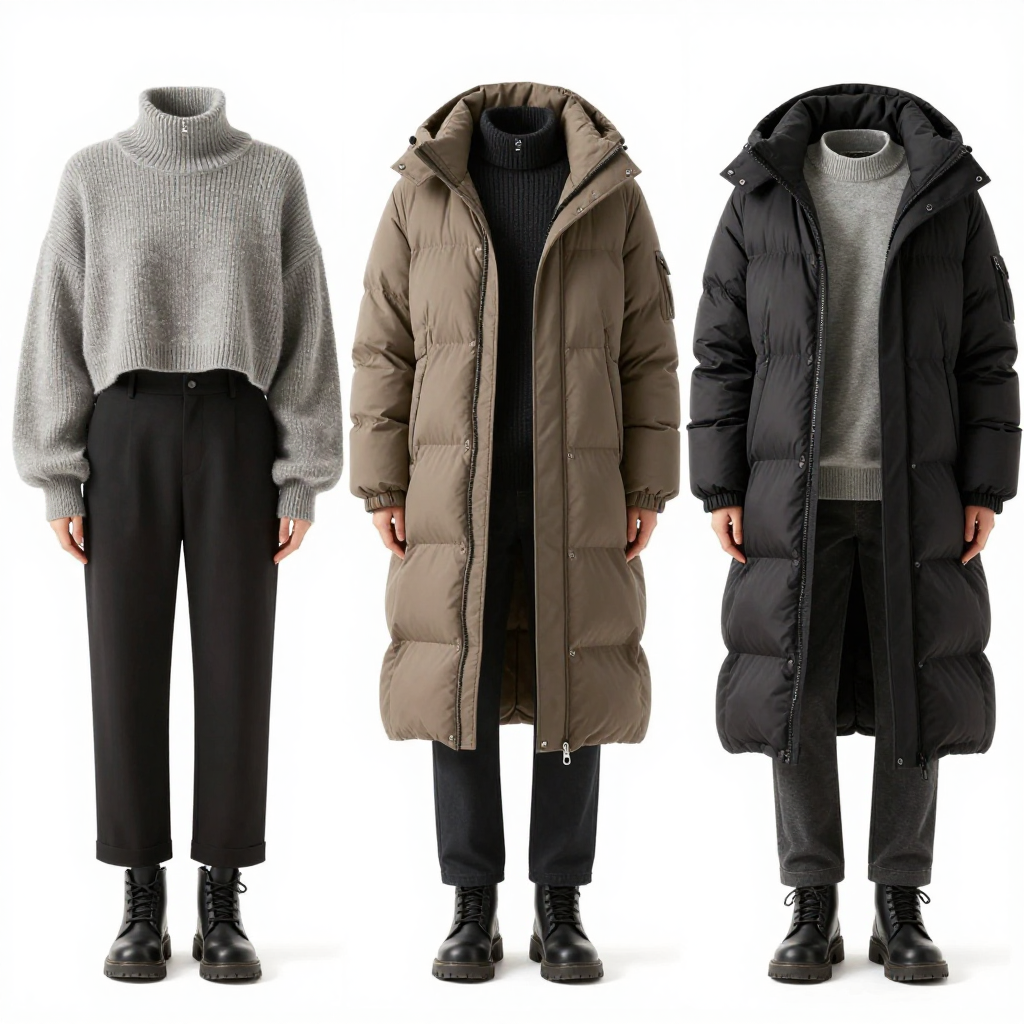
Parkas and technical winter jackets are the practical choice for wind, wet snow, low temperatures, and active outdoor use. Look for water-resistant or waterproof outer fabric, effective insulation, an adjustable hood, covered zippers, and pockets that remain useful when your hands are occupied.
A parka usually offers a longer cut than a short jacket, often with a drawstring waist or adjustable hem. That extra coverage helps reduce drafts, while a storm flap over the zipper can improve protection in bad weather. Technical jackets may use lighter synthetic insulation, breathable membranes, articulated sleeves, and sealed or reinforced seams for movement and durability.
Features that matter in difficult weather
- Insulation: synthetic fill dries quickly and performs reliably in damp conditions; down can provide excellent warmth for its weight but needs careful protection from moisture.
- Weather resistance: a water-repellent surface helps with light precipitation, while a waterproof shell is better for persistent rain or wet snow.
- Hood design: a shaped, adjustable hood stays more secure in wind than a loose decorative hood.
- Pockets: zippered hand pockets protect valuables, while interior pockets help store phones, gloves, or travel documents.
- Cuffs and hem: adjustable closures help seal in warmth and limit cold air movement.
Technical features can make a jacket look more casual, so style it with clean denim, a fine-gauge sweater, and simple leather or weatherproof boots when you want a less outdoors-focused outfit. A parka is also a sensible travel layer because it handles unpredictable conditions better than a delicate fashion coat.
Wool Coats, Faux Fur, and Elevated Outerwear
Wool coats and faux-fur jackets offer a more refined winter look for workwear, dinners, and occasions where technical outerwear feels too casual. They can look exceptionally polished, but their warmth depends heavily on fabric weight, lining, length, and the layers worn underneath.
A tailored wool coat works well over trousers, knit dresses, and office separates. A single-breasted style creates a clean vertical line, while a double-breasted coat gives more structure and overlapping fabric across the chest. Belts can define the waist, although a straight or oversized cut may be more comfortable over bulky sweaters.
Faux-fur jackets and faux-fur collars bring softness and texture to winter outfits. Use them as a statement layer with simple trousers or denim so the texture remains the focal point. Faux fur is visually warm, but it may not replace a properly insulated parka in freezing, wet conditions. Check the lining and closure, and treat the jacket as an occasion piece unless its construction is designed for outdoor exposure.
Wool coats also have limitations. Wool can retain warmth well, but many tailored coats provide less wind and rain protection than a technical shell. Choosing a wool coat for elegance means accepting that you may need an umbrella, a scarf, or a warmer base layer in severe weather.
Trending Winter Colors, Textures, and Details
This season’s winter outerwear ranges from dependable neutral winter colors to statement shades, glossy finishes, tactile trims, and decorative quilting. The right choice depends on whether you want one hardworking jacket or a distinctive addition to an established wardrobe.
Black, charcoal, camel, cream, navy, olive, and chocolate brown remain useful neutrals because they work with denim, knitwear, tailoring, and winter footwear. Cream and camel brighten dark months, while charcoal and navy offer a softer alternative to black. Olive and brown add depth without becoming difficult to style.
Statement colors such as cobalt blue, cherry red, emerald, mustard, or vivid orange can make a simple outfit feel deliberate. Prints, color blocking, metallic finishes, and high-shine fabrics create a stronger fashion statement, but they may require more thought when matching accessories.
- Glossy nylon: gives puffer jackets a modern, light-catching finish.
- Matte technical fabric: looks understated and tends to suit everyday, utility-focused outfits.
- Faux-fur trim: adds softness around collars, hoods, and cuffs.
- Belts and drawstrings: shape oversized silhouettes and help control warmth.
- Diamond or channel quilting: adds structure to lightweight and mid-weight jackets.
If you are buying one main jacket, choose a color you can wear at least three ways with existing trousers and shoes. Save the most experimental shade or print for a second layer.
How to Style Winter Jackets for Everyday Looks
To style winter jackets well, balance the jacket’s volume with the rest of the outfit and build warmth through intentional layering. Start with a comfortable base, add a mid-layer suited to the temperature, and finish with outerwear that allows movement.
Casual weekend outfit
Pair an oversized puffer with straight-leg jeans, a ribbed sweater, and insulated ankle boots. Keep the sweater close to the body if the jacket is especially voluminous. A knitted beanie and compact crossbody bag add function without competing with the jacket.
Workwear combination
Wear a belted wool coat over tailored trousers, a fine knit, and loafers or streamlined boots. A long scarf can add warmth, but avoid excessive bulk at the neckline if the coat already has a high collar.
Cold-weather travel look
Choose a parka over a moisture-managing base layer, lightweight sweater, comfortable trousers, and weather-resistant boots. Keep gloves and travel documents in secure pockets, and use a scarf that can be removed easily in heated indoor spaces.
Layering works best when each piece has a clear role. A thin base layer manages comfort, knitwear provides insulation, and the jacket blocks wind or precipitation. Wearing several thick sweaters under a close-fitting coat can restrict movement and create cold spots where the fabric compresses.
How to Choose the Right Winter Jacket
Choose the right winter jacket by matching its warmth, weather protection, fit, and construction to your climate and daily activity. Style matters, but a fashionable jacket that limits movement or fails in your local weather will not become a reliable wardrobe piece.
- Identify your conditions. Decide whether you mainly face dry cold, wind, rain, wet snow, or frequent temperature changes.
- Set the warmth level. Compare insulation, jacket length, hood coverage, cuff design, and room for layering rather than judging warmth by puffiness alone.
- Check the fit in motion. Zip the jacket, raise your arms, sit down, and wear the sweater you expect to layer underneath. The shoulders should not pull, and the hem should not ride up excessively.
- Inspect practical details. Test zippers, pockets, hood adjustments, closures, lining, and seam finishing. These small components affect daily comfort and durability.
- Consider wardrobe versatility. Ask whether the jacket works with your usual jeans, work clothes, boots, scarves, and bags. A versatile neutral often delivers more value than a difficult statement piece.
Fit should feel secure without being tight. You need enough space for a base layer and knitwear, but excessive room can allow warm air to escape and make the jacket cumbersome. If you are between sizes, compare the garment measurements and intended layering rather than choosing automatically.
Common shopping mistakes include buying a very warm jacket for a mild climate, choosing a dramatic cropped fit for long outdoor commutes, and ignoring care instructions. Insulation, wool, faux fur, and technical coatings may require different cleaning methods. Following the care label helps preserve loft, water resistance, and shape.
Winter Jacket Trends: Frequently Asked Questions
Which winter jacket styles are trending this season?
Puffer jackets, quilted jackets, practical parkas, oversized silhouettes, belted wool coats, and faux-fur styles are among the most visible trends. The most wearable choices combine current proportions with sufficient insulation and weather protection.
Are puffer jackets still fashionable?
Yes. Puffer jackets remain a leading winter outerwear option, with cropped, oversized, quilted, glossy, matte, and longline versions available. Choose the silhouette according to your climate, layering habits, and preferred proportions.
What is the warmest type of winter jacket?
The warmest option depends on insulation, construction, length, and weather protection. A well-insulated longline parka or puffer with a fitted hood, sealed closures, and room for layers is generally more protective than a short, lightly insulated fashion jacket.
How should a winter jacket fit?
A winter jacket should allow comfortable movement and enough room for the layers you will wear underneath. Check the shoulders, arm mobility, zipper closure, hem coverage, and cuffs while wearing a typical sweater.
What colors are best for winter outerwear?
Black, charcoal, camel, cream, navy, olive, and brown are the most versatile neutral winter colors. Statement shades such as red, cobalt, emerald, and mustard add personality when the rest of your wardrobe is relatively simple.
The best winter fashion trend is the one that survives real weather and frequent wear. Compare insulation, coverage, fit, and fabric first, then choose the colors and details that make the jacket feel like your own.